

Why Stop-and-Go Dubai Traffic Wears Out Brakes Faster Than You Think
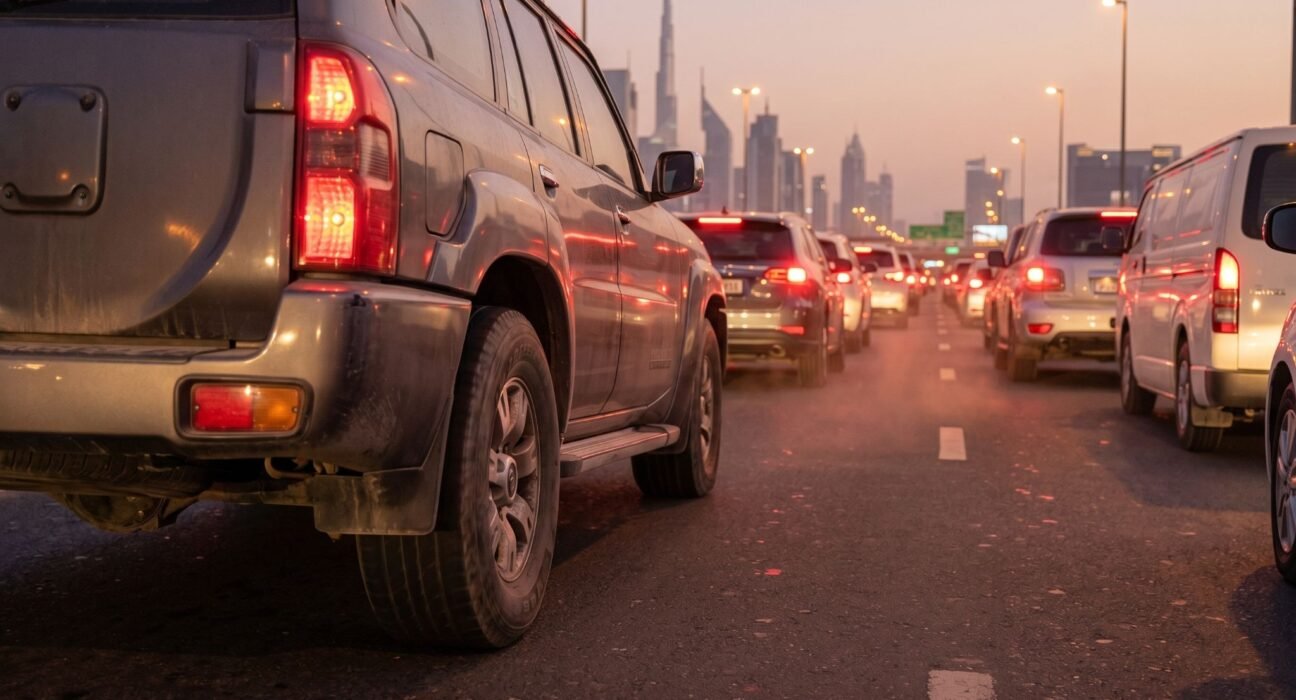
Driving in Dubai can be smooth on highways, but city roads often tell a different story. Heavy traffic during peak hours means drivers spend a lot of time stopping and starting their vehicles. This constant braking puts extra pressure on the braking system and causes parts to wear out sooner than many people expect.
Stop-and-go Dubai traffic wears out brakes faster because of repeated braking, increased heat buildup, vehicle weight, short driving gaps, traffic signals, steep parking ramps, aggressive driving habits, and long periods of slow movement. These conditions force brake components to work harder every day, leading to faster wear and more frequent maintenance.
Understanding these reasons can help drivers know when they may need a Brake Pad Replacement Dubai service before brake performance starts to decline.
Reasons Why Stop-and-Go Dubai Traffic Wears Out Brakes Faster
Here are the most common reasons short trips are not good for brakes:
1. Constant Braking Creates More Friction
One of the biggest reasons brakes wear out quickly in Dubai traffic is constant use. Every time a driver presses the brake pedal, the brake pads create friction against the brake discs to slow the vehicle.
In stop-and-go traffic, this process happens again and again within a short distance. Unlike on highways, where brakes may be used only occasionally, city traffic requires frequent braking. This repeated friction gradually reduces the thickness of brake pads.
Over time, the pads become less effective and need replacement. Regular city driving can therefore shorten the lifespan of brake components much faster than many drivers realize.
2. Heat Buildup Speeds Up Brake Wear
Brakes naturally generate heat whenever they are used. In heavy traffic, there is little time for the braking system to cool down between stops. As a result, heat continues to build up throughout the journey.
Dubai’s hot climate makes this situation even more challenging. High temperatures combined with frequent braking can increase stress on brake pads and discs. Excessive heat may cause faster material breakdown and reduce braking efficiency.
Drivers who spend hours in traffic every week often experience quicker brake wear because their braking systems operate under higher temperatures for longer periods.
3. Traffic Signals Increase Brake Usage
Dubai roads have many traffic lights, intersections, pedestrian crossings, and roundabouts. Drivers must slow down and stop regularly as they move through the city. Each stop adds another cycle of wear to the brake system.
Even when traffic is moving, vehicles often stop again after only a short distance. This repeated pattern means brake pads are constantly being engaged.
Over weeks and months, these extra braking events add up and contribute significantly to faster brake wear compared to routes with fewer stopping points.
4. Short Following Distances Cause Harder Braking
Many drivers in heavy traffic leave limited space between their vehicle and the one ahead. When traffic suddenly slows down, they must brake harder to avoid getting too close. Hard braking creates more friction and heat than gentle braking.
Frequent sudden stops place extra stress on brake pads, discs, and other braking components. Drivers who maintain a safe distance often have more time to slow down gradually. This simple habit can reduce strain on the braking system and help extend the life of important brake parts.
5. Vehicle Weight Adds More Pressure
Modern vehicles often carry more weight than people think. Passengers, luggage, tools, and other items all increase the load that brakes must control. SUVs and larger vehicles naturally require more braking force than smaller cars.
In stop-and-go traffic, the braking system must repeatedly slow down this extra weight. The greater the load, the harder the brakes need to work. Over time, this additional effort causes brake pads and discs to wear more quickly, especially during daily commuting in crowded city areas.
6. Parking Ramps and Inclines Increase Brake Stress
Many shopping centers, residential buildings, and parking facilities in Dubai use ramps and inclined entrances. Drivers often rely on their brakes while moving slowly up or down these slopes.
Holding a vehicle on an incline with the brake pedal creates additional pressure and heat. While this may seem minor, repeated exposure over time contributes to brake wear. Drivers who regularly use multi-level parking structures may notice their brakes wearing out sooner than expected.
7. Aggressive Driving Habits Reduce Brake Life
Driving style has a major impact on brake lifespan. Rapid acceleration followed by sudden braking places much more stress on brake components than smooth driving. Unfortunately, this pattern is common in busy traffic conditions.
Some habits that increase brake wear include:
- Sudden stops at traffic lights
- Fast acceleration between short gaps
- Following vehicles too closely
- Braking late instead of slowing gradually
- Frequently changing lanes in heavy traffic
Adopting a smoother driving style can help reduce unnecessary strain on the braking system.
Signs Your Brakes May Need Attention
Brake wear happens gradually, so drivers may not notice problems immediately. Recognizing early warning signs can help prevent larger issues and improve road safety.
Common signs include:
- Squealing or Grinding Sounds: Unusual noises during braking often indicate worn brake pads or damaged brake components.
- Longer Stopping Distances: Your vehicle takes more distance to stop, reducing safety during sudden traffic situations.
- Brake Pedal Vibration: Vibrations while braking may signal uneven brake discs or excessive wear within components.
- Vehicle Pulling to One Side: Uneven brake performance can cause the car to drift during braking actions.
- Brake Warning Light on Dashboard: Dashboard brake alerts may indicate system faults requiring immediate professional inspection.
- Reduced Braking Response: Slower brake reaction can affect vehicle control and increase accident risks significantly.
If any of these symptoms appear, it is important to have the braking system inspected by a professional technician as soon as possible.
Conclusion
Stop-and-go traffic is a normal part of daily driving in Dubai, but it can take a serious toll on your vehicle’s brakes. Constant braking, heat buildup, traffic signals, vehicle weight, parking ramps, short driving gaps, and aggressive driving habits all contribute to faster wear.
By driving smoothly and monitoring brake performance, drivers can reduce unnecessary stress on their braking systems. Regular inspections and timely brake pad replacement in Dubai services help maintain safe stopping power and keep vehicles performing reliably on busy city roads.