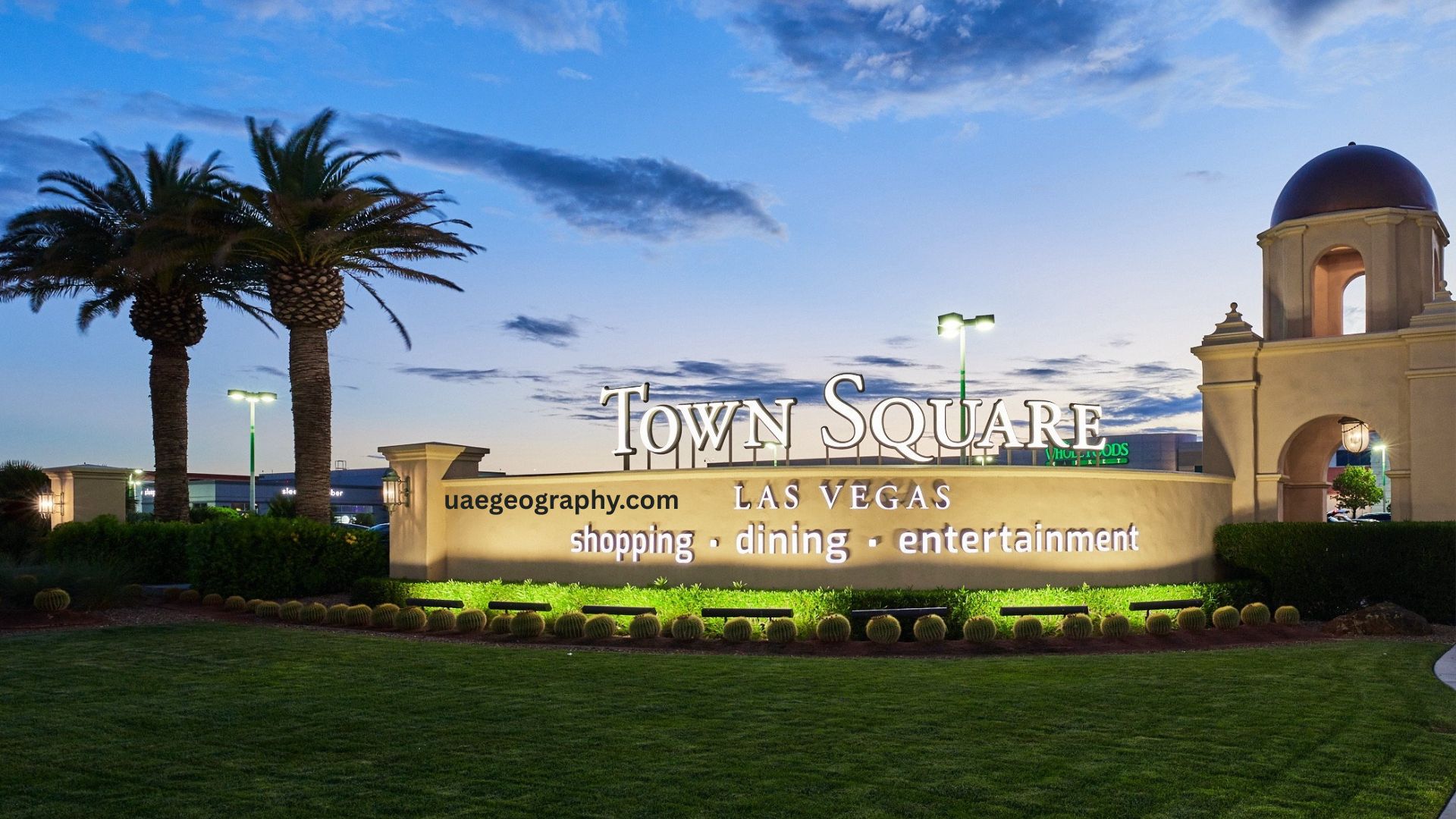

A space in the heart of Town Square Sales Centers meant for selling homes becomes something more when people gather there naturally. Not merely about buildings or blueprints, it blends daily life with plans for what comes next across streets and sidewalks. Picture openness – light, movement, room to walk – where cafes sit beside models of upcoming neighborhoods. Instead of brochures, visitors touch screens, stroll paths, and feel textures underfoot while learning the layout and light of future homes. Often, such spots grow into meeting points – not only for buyers but also for neighbors sharing time near benches or kiosks. Life hums here before construction even finishes nearby. This mix turns numbers on paper into places someone might belong.
Sales Centers in City Growth Today
Out there, where cities keep expanding fast, those little sales hubs in town squares actually shape how neighborhoods grow. Instead of just showing blueprints indoors, builders get to bring floor plans to life right where people walk by every day. Because these spots sit inside shared plazas, they turn into places folks visit even if they are not buying yet – almost like cafes or galleries. Step past the glass doors, and suddenly you are walking through future homes while still standing on current sidewalks. These spaces do more than sell units – they hint at what daily life could feel like when construction finishes nearby. While one part works as an office desk for contracts, another corner might host art sketches or benches for chatting neighbors.
What Makes a Town Square Sales Center
A space opens where people meet, shaped around moments that happen between them. Features show up like pieces of a puzzle meant to fit how folks move through days.
Out of thin air comes a look that flows smoothly, built sharp yet simple – spaces stretch wide instead of closing off. Glass walls catch sky on every side because seeing through matters more than hiding. Function stays close but never shouts about it; beauty slips in quietly while usefulness does its job.
A screen you can tap shows what houses look like before they are built. Moving through spaces on a device gives a walk-through feel without being there. Overlaid digital details bring construction steps to life as if happening right in front of you.
Found inside busy areas, these centers sit near stores, restaurants, coffee spots – drawing people just by being there. A visit often blends care with everyday life, unfolding naturally around daily routines.
Fueled by its unique offerings, the space becomes more than a shopping spot – it pulses at the heart of local culture.
How Sales Centers Help Communities Connect
Out in the open of a Town Square Sales Centers hub works beyond transactions – relationships grow here. Because they host happenings like pop-up markets or neighbor get-togethers, these spots turn into lively gathering points. People who live nearby, those thinking of moving in, even builders – they cross paths where conversation flows easily. Sometimes there’s painting on display, sometimes serious talk about local plans, other times smells of street-cooked meals fill the air. Slowly, without fanfare, such places start pulsing quietly at the core of daily life, weaving people closer through shared moments.
The Place of Town Square Sales Centers in Property Projects
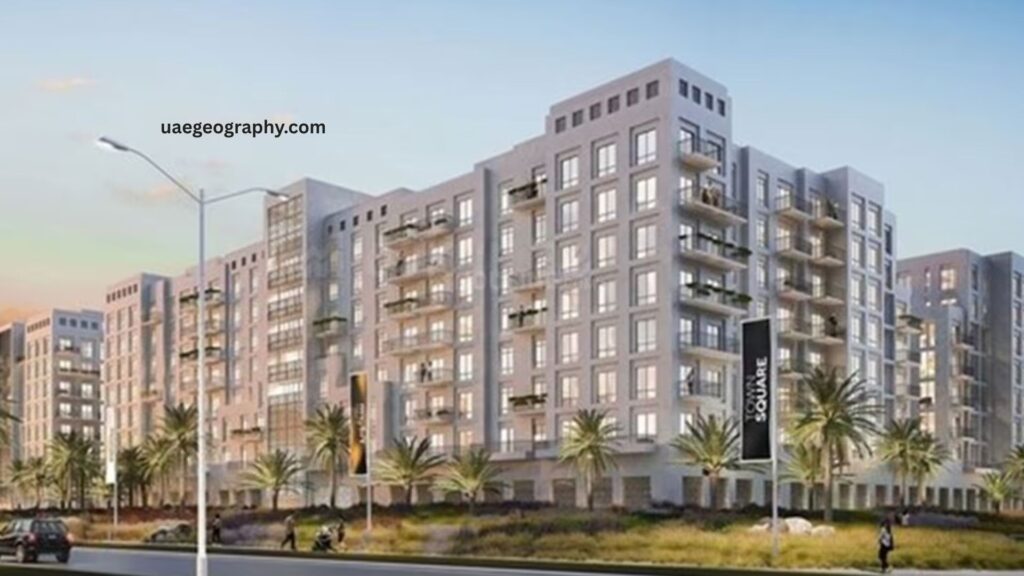
Picture a place where buildings are still dreams but feel almost real. That happens at a town square sales hub, built by those shaping neighborhoods. Here, instead of paper layouts on walls, visitors step into something closer to living it – seeing how mornings might look, imagining walks down paths yet unmade. Models sit quietly under lights, screens glow with moving views through homes that aren’t there, and staff move slowly between questions. Feeling comes before thinking. When someone sees their coffee cup on a countertop they haven’t bought. These spaces don’t sell – they suggest.
Environmental and Economic Benefits
A town square sales hub thought out carefully brings gains for nature plus wallets. Built right, it leans on materials that last, using methods kinder to the planet. Sun-powered roofs sit beside clever layouts made to sip less energy. Lower emissions follow naturally when daily life syncs with earth-smart design.
Down the street from new sales hubs, shops start seeing more visitors. Because these spots draw people in, neighboring stores get busier over time. Growth follows where visibility improves – empty plots begin attracting interest. With activity on the rise, land prices slowly climb higher. Areas once overlooked now catch the eye of investors and builders alike.
What Sets Town Square Sales Centers Apart From Traditional Ones
Out here, where sidewalks hum and neighbors meet, these hubs rise among cafés and bus stops. Not boxed off behind glass and silence, they breathe alongside daily routines. While older models sit parked on quiet corners – forgotten, maybe even locked up – these spots pulse right where streets cross. Drawn by open layouts and nearness to schools or markets, folks wander in without second thoughts. Accessibility? It shows up not in brochures, but in foot traffic after grocery runs.
Designing a town square sales center with practical approaches
When designing a town square sales center, there are several best practices to keep in mind:
Open layouts pull folks inside, making the space feel fresh instead of stuffy. What stands out is how light moves through, giving a sense of calm right away.
Choosing greener construction methods matters more now, especially when future owners care about nature. Materials that harm less can draw interest without loud claims. Building smarter fits both the earth’s needs and buyer habits, quietly making a difference.
A museum trip might stick with you longer when screens light up, showing things that move. What if touchpoints react as fingers approach? Imagine walking through spaces where shapes shift without warning. Pictures pop out like they are alive. Sensations trick the mind into stepping inside another world. A headset slips on – suddenly, walls dissolve. These moments blur what is real. Tools once strange now guide how we see. Feeling present in a faraway time becomes possible.
Starting differently, the layout must let every person reach what they need – this covers folks who face physical challenges, too. Getting in without trouble matters most when building things meant for all.
A space built with care does more than sell homes – it shapes how people connect. What stands out isn’t just the appeal on the surface, but the way it supports daily life over time. Instead of focusing solely on promotion, it becomes part of what holds a neighborhood together. Thoughtful details matter most when they last beyond first impressions.
The Role of Digital Technology in Modern Sales Centers
Right now, online spaces shape how people see new homes. Picture walking through a house without setting foot inside – that happens with virtual tours and 3D layouts. Instead of waiting, shoppers get answers fast using smart screens or chat helpers. These tools, built with modern tech, help towns show off what they offer. Even quiet browsers find details easily when visuals guide them around. So the place where deals happen must include these upgrades just to keep up.
From couches across neighborhoods, folks now peek into new developments using apps they already scroll through every day. Town squares once relied on foot traffic alone – now posts pop up where conversations live. Updates drop without warning during morning coffee checks or late-night browsing sessions. A post might show floor plans one minute, then livestream a model unit tour the next. These hubs adapt by meeting eyes wherever screens glow. Attention shifts fast – but so do the methods used to hold it.
The Economic Effect of a Working Sales Center on Nearby Businesses
Most folks passing through tend to stop at nearby stores when a busy market hub opens up. Because crowds gather there, cafes and repair shops see more customers each week. Homes near these spots often rise in price over time, helping owners pay less relative to worth. Builders gain ground just as neighbors do when one of these places takes root. What happens downtown usually spills out into side streets before long.
Problems With Creating And Running Town Square Sales Hubs
Even so, setting up a town square sales hub isn’t without hurdles. Still, handling it takes more than good intentions. For one, space needs careful planning. Then again, upkeep demands constant attention. On top of that, coordination often slows things down. Yet each obstacle shapes how well it works.
Getting around city rules on land use often feels like a maze, particularly where lots of people live close together.
Money talks when it comes to building and running a sales hub – costs pile up fast without smart budget moves. A single misstep in funding might stretch resources thinner than expected.
Fine-tuned systems hum quietly when tools line up just right – not by accident, but through careful alignment. Expertise weaves through every layer, stitching software to steel roads beneath.
A good town square sales center can still pay off, even when things get tough. Though it takes work, pulling it together right makes a difference. When done well, the results make up for the hassle along the way.
–
What Comes Next for Town Square Sales Centers
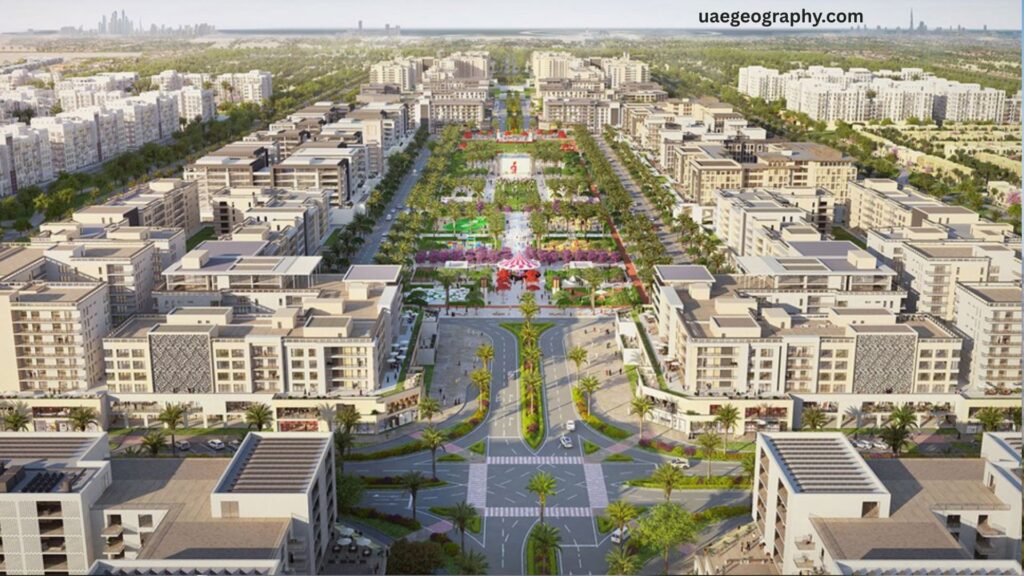
Change is coming fast to town squares where people buy things. When city life changes shape, so do these spots. Picture different faces, new rhythms, quieter corners buzzing again. What works today might fade by next season. Watch how light, space, and time blend in fresh ways. Surprises often hide in plain sight. Some places grow quiet while others wake up loud.
A town square sales center might show off new houses while hosting a coffee shop on one side. Another could mix home displays with shared work desks where people stop by during the day. Some include spots for quick bites between meetings or after tours. These places aim to do several things at once beyond selling homes. A bench near the entrance doubles as seating for visitors who are waiting. Each location picks different extras based on what feels natural nearby.
Green buildings keep shaping how we construct, bringing materials that harm the environment less and systems using less power. What comes next? Designs caring more for air, water, space – without wasting. Efficiency grows, not noise. Structures breathe easier now, fitting nature instead of fighting it.
Folks pressed for time might skip the trip altogether – digital walkthroughs could soon feel routine. Mix live gatherings with online access, making it easier to browse from anywhere. Skipping travel
That option may simply be expected now.
One thing’s clear – town square sales hubs are sticking around, shaped by what’s happening now. A shift in how people buy homes keeps these spots front and center. Driven by habits, not hype, they fit into daily life easier than most realize. What stands out isn’t flashiness – it’s usefulness, growing quietly but steadily. With every change, their role tightens, becoming harder to replace.
Choosing a Town Square Sales Center That Fits
A spot in the town square works best when it matches what you want. Real estate developers might favor places where lots of people pass by, and signs stand out clearly. The layout matters too, along with features that fit who you aim to reach. Buyers may notice first if the space feels welcoming or cold. Some find answers through conversation there, and others walk away unsure.
Conclusion
Home buying at a town plaza hub: More than transactions happen there. Picture this: people gathering, exploring how life might feel in upcoming neighborhoods. These spots blend tech updates with fresh layouts, shaping city growth quietly but deeply. Think of them as windows into what comes next – where living ideas take physical form. Over time, they adapt, yet always stay central to how areas transform and connect.
FAQs
Town Square Sales Centers Compared to Regular Offices?
Away from old-style sales spots, these hubs blend into neighborhoods while offering hands-on tech and engaging displays.
Design Elements of an Effective Town Square Sales Center?
Looks matter, yet how long something lasts counts too. Getting places should work for everyone, while tech tucked into spaces changes how people feel when they visit. One thing blends with another, shaping what users notice without saying a word.
Town Square Sales Centers Support Local Economic Activity?
Folks showing up boosts nearby shops, lifts what buildings are worth – then that sparks fresh growth in the area.
Yes, You Can Use a Town Square Sales Center for non-real estate purposes?
Folks gather there when galleries hang new work, shops set up stalls, or groups organize gatherings – turning the spot into a hub where life unfolds. Not just one thing, it shifts with what people bring, becoming whatever’s needed next.
Modern Town Square Sales Centers Technology?
Today’s hubs rely on digital walkthroughs, interactive overlays, smart bots that learn from users, and networks like Instagram or Facebook to connect with visitors. Virtual visits let people explore online, while extra layers of info pop up through phones. Machines answer questions by spotting patterns over time. Platforms where folks share updates help maintain contact beyond physical walls.
Choosing a Town Square Sales Center for your business?
Start by thinking about where it sits, how it looks. Design matters just as much as the tools inside. Where things are placed can shift everything. Matching what you aim to do makes a difference. Your audience might respond one way or another. Tech that fits helps more than flash. Goals shape choices behind the scenes. Place, look, function – each plays a role.
8. Town Square Sales Centers Future Trends?
Floating between uses, tomorrow’s spots adapt fast. Green bones shape buildings that breathe with the planet. Meetups live in two worlds at once – real hands clap while digital faces watch closely.
